
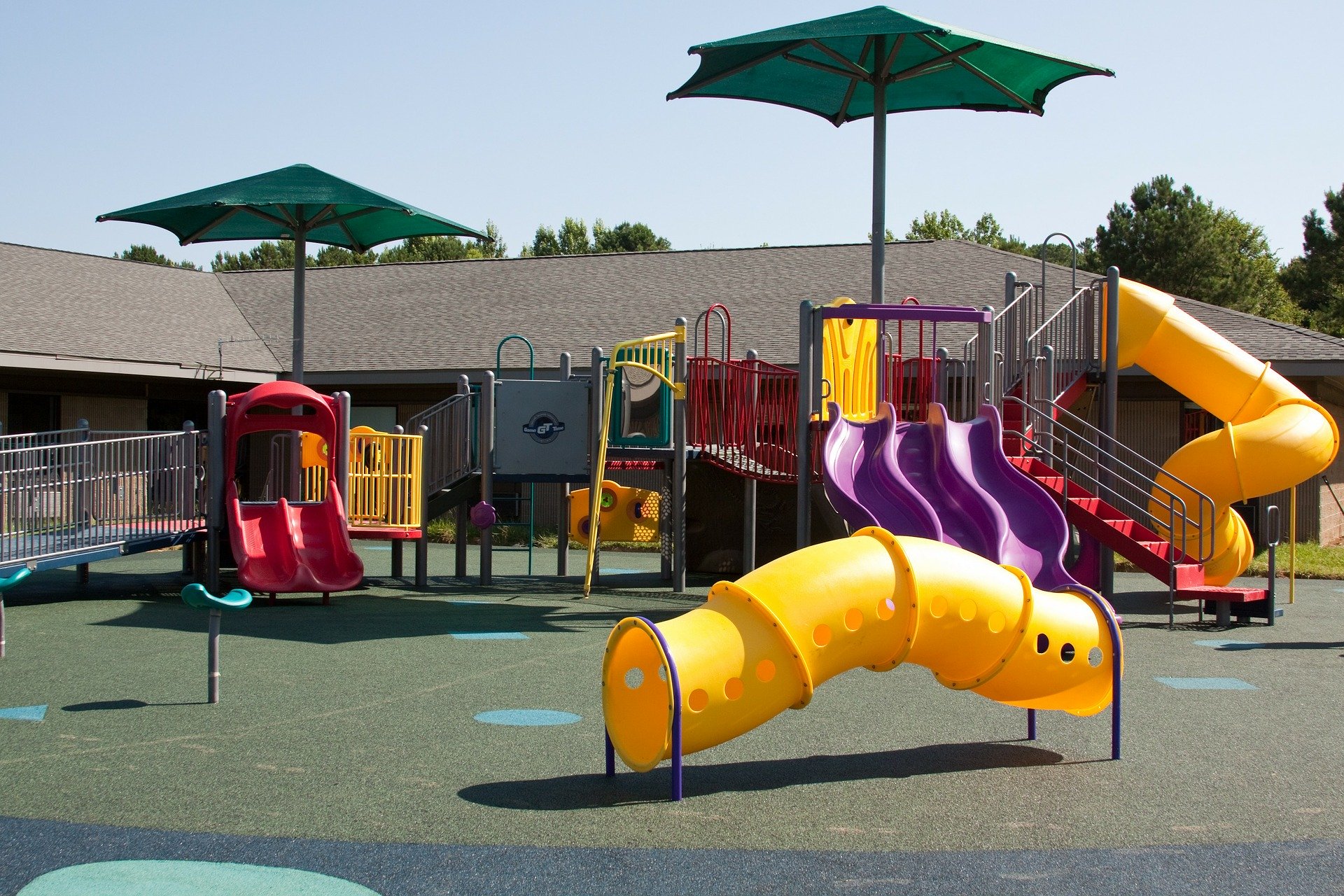

Each playground, piece of play equipment or play structure is designed and installed with a certified playground inspector assigned to your project. We specialize in repairs, safety surfacing, site amenities and the installation of anything we sell.
Our tradition and culture that began in 1931 will continue long into the future as we service clients across WV, KY, OH, and surrounding areas.
From initial quote and designs phase, we manage delivery and installation for you through each step of the project.
Latta’s Playground Safety Checklist
Impromptu protective surfacing.
- All equipment should be soft enough to cushion a fall. Concrete, blacktop and packed earth or grass are not acceptable.
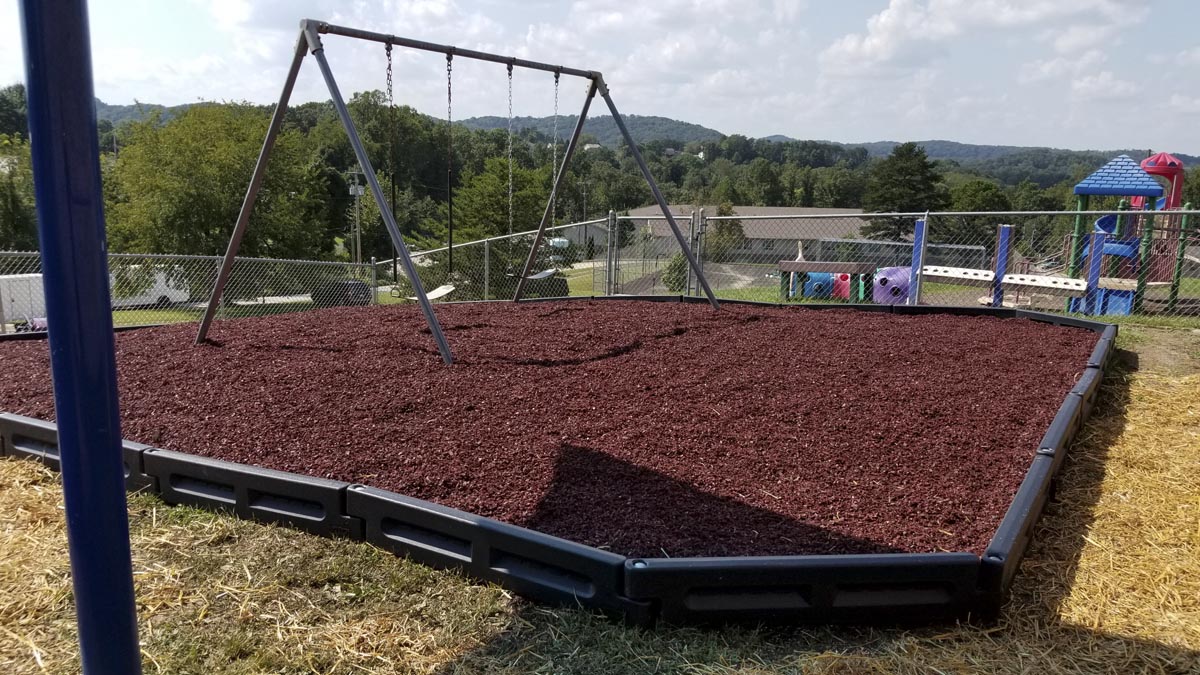
- Safe surfaces include hardwood fiber/mulch, sand and pea gravel.
- All surfaces must be 12” in depth and free of standing water.
Inadequate fall zone.
- A fall zone, or area under and around the playground, should be covered with protective surfacing material and extend a minimum of six feet in all directions from the edge of the stationary play equipment.
- Fall zones at the bottom of ta slide should extend a minumim of six feet for slides four feet or less in height.
- For slides higher than four feet, take the entrance height of the slide and add four feet to determine how far surfacing should extend.
- Fall zones for swings should be two times and height of the pivot or swing hanger and extend six feet to the side.
Protrusion and Entanglement Hazards.
- A protrusion hazard is a component or piece of hardware that might be capable of impaling or cutting a child if they fall against it.
- Entanglement hazards are things capable of catching strings or items of clothing which might be worn around a child’s neck.
- Examples of these could be bolt ends that extend out too far, “S” type hooks or rungs or handholds that protrude outward.
- Special attention should be paid to areas at the top of slides.
Entrapment openings.
- Enclosed openings on playground equipment must be checked for head entrapment hazards.
- Generally, there should be no openings on playground equipment that measure between three and one-half inches and nine inches.
- Pay special attention to openings at the top of a slide, openings between platforms and openings on climbers where the distance between rungs might be less than nine inches.
Insufficient playground equipment spacing.
- Improper spacing between pieces of play equipment can cause overcrowding of a play area which may create several hazards.
- Fall zones for equipment that is higher than twenty-four inches above the ground cannot overlap.
- There should be a minimum of twelve feet in between two play structures.
- Swings and other pieces of moving equipment should be located in an area away from other structures.
Trip hazards.
- Trip hazards are created by play structure components or items on the playground.
- Examples include: exposed concrete footings, abrupt changes in surface elevations, containment borders, tree roots, tree stumps and rocks.
%
of all injuries to children 0-4 involve the head and face
%
of playground injuries involve falls to the surface
%
of childhood injuries happened on public playground equipment
%